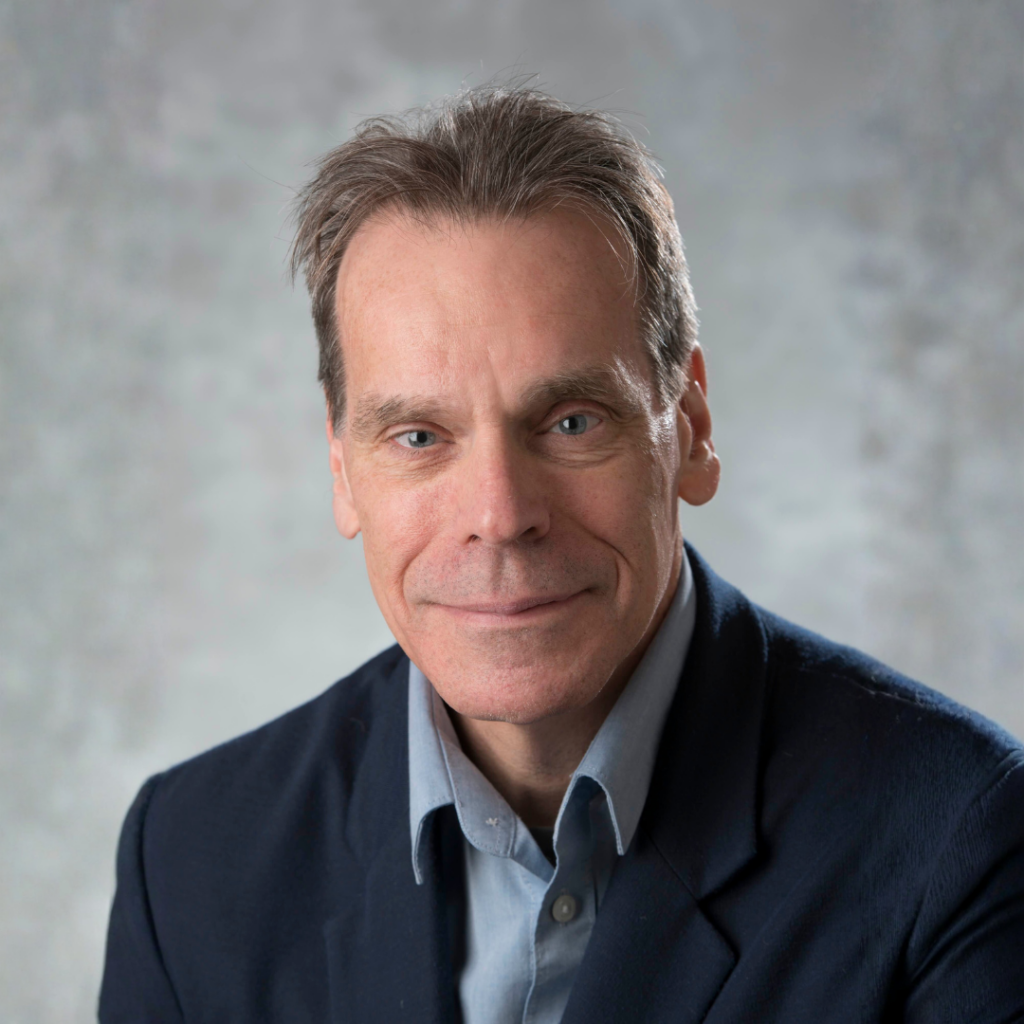
Dominique P Bureau
Professor, University of Guelph
Chief Scientific Officer, Wittaya Aqua International
Canada
Dominique has been leading dynamic research efforts on the nutrition and feeding of aquaculture species for over three decades. He is a professor at the University of Guelph and co-founder of Wittaya Aqua International, an innovative company developing bespoke solutions and online tools for feed manufacturers, feed ingredient suppliers and aquaculture operations around the world.
He was a member of the US NRC Committee on Nutrient Requirements of Fish and Shrimp (2009-2011) and now leads the International Aquaculture Feed Formulation Database (IAFFD) project. Dominique holds a Bachelor’s degree in Bio-Agronomy and a Master’s degree in Animal Science from Laval University (Quebec City, Canada) in 1991 and 1992, respectively. He obtained a PhD in Nutritional Sciences from the University of Guelph (Guelph, Ontario) in 1997. He joined the faculty of the Department of Animal Biosciences in 2000 and has held the rank of professor since 2009.
Feed Sustainability & Technology: Fit for Future
Abstract
Sustainability hinges on three interconnected pillars, environmental, economic, and social. Meaningful progress towards better sustainability requires that all three pillars be addressed. Feed is arguably the most important input determining the sustainability of aquaculture production. In intensive aquaculture systems, feed represents the largest operating cost and is therefore a major driver of economic sustainability. Feed is also ultimately at the origin of the wastes released by the animals.
The sustainability of aquafeeds begins with the ingredients from which they are produced. Feed ingredients originate from diverse agricultural, fisheries, and industrial production systems and therefore carry embodied environmental, economic and social impacts. How feeds are formulated, what they include (e.g. types of ingredients, feed additives) and how they produced can have profound effects on the efficiency and cost of production, waste outputs and potential deleterious environmental impacts.
However, feed sustainability is not determined solely by feed characteristics. The way the feeds are used by aquaculture producers is equally important. Even the best, “most sustainable”, feeds can fail to deliver benefits if inefficiently used. Consequently, sustainability largely hinges on production efficiency at the farm. Ensuring optimal health and performance of the animals and low feed conversion ratio (FCR) are key considerations.
Achieving sustainable aquaculture production requires coordinated efforts across the entire value chain, including ingredient and additive suppliers, feed manufacturers, aquaculture producers, seafood buyers, certification organizations, technology providers, breeders and regulators. To support such collaboration, there is a growing need for integrated ecosystems that enable stakeholders to track, trace, connect, quantify and audit sustainability performance across the feed-to-food continuum. Comprehensive digital tools and shared metrics can facilitate transparency, support precision production strategies, and provide measurable impacts that drive continuous improvement in the sustainability of the industry.
*Co-authors: Lukas Manomaitis, Flavia M Damasceno, Robert Middendorf, Stephen Gunther and Morgan Cheatham