




















DAY 1
Wednesday: August 19, 2026
08:30 - 18:30
07:30 - 08:30
Registration
08:30 - 08:40
Opening Address
Fernando J Simanjuntak,
Director of Brackish Water Fish, Directorat General of Aquaculture, Ministry of Marine Affairs and Fisheries (MMAF), Republic of Indonesia
08:40 - 10:30
State of Industry: Feed Commodities & Aquafeed
Volatile feed commodity prices and supply disruptions put pressure on feed formulators, feedmillers and the farmers they serve. Profit margins fluctuate affecting both feedmillers and farmers. Fishmeal is the gold standard but El Niño is coming, affecting availability. We set the stage with the latest market trends and examine the main challenges shaping the aquafeed industry in Asia from 4 different vantage points.
08:40
Macro Feed Grains Outlook
Deputy Regional Director – Southeast Asia & Oceania, U.S. Grains & BioProducts Council, Malaysia
09:00
A Deep Dive into the Strategic Role of Marine Ingredients
Technical Director, IFFO (The Marine Ingredients Organisation), UK
09:20
Aquafeeds: Building Flexibility & Resilience
Managing Director, 4SEA Investment & Technology Ltd, Thailand
09:40
SWOT on the Aquafeed Business in Indonesia
Deputy Commercial Director – Shrimp Business, De Heus Indonesia
10:00 - 10:30
Panel with Speakers and Industry Player
Regional Aquaculture Consultant – Southeast Asia, U.S. Grains & BioProducts Council, Malaysia
Industry Player: S Santhana Krishnan, CEO, Marine Technologies, India
10:30 - 11:00
Tea Break
11:00 - 12:00
Cost Efficiency with Digestible Nutrient-based Formulations
Precision nutrition based on digestible nutrients requires digestibility values of nutrients and ingredients. Understanding how nutrient and pellet size requirements change with shrimp and fish growth stages is critical. The target is creating efficient feeds to match industry needs – such as nursery feeds for shrimp, freshwater and marine fish. The KPI is lowest feed cost/kg of weight gain.
11:00
Precision Nutrition in Aquaculture: An Essential Tool for Improving Farm Performances and Sustainability
Aquaculture Consultant, Jefo Nutrition, Inc., Canada
11:10
Precision Micro diets for Early Stages of Fish and Shrimp: Cost-Effectiveness and Functionality
Co-Founder, Co-CEO, R&D Director, SPAROS Lda, Portugal
11:40
Maximizing Essential Nutrient Utilization in Cost-Effective Feed Formulation
Senior Advisor Aquaculture Nutrition, Adisseo, Singapore
12:00 - 12:30
Panel with Speakers and Industry Player
VP Shrimp Health & Nutrition, Aker QRILL Company, Thailand
Industry Player: Kim Tran, Nutrition & Support Director Aqua Asia, Royal De Heus, Vietnam
12:30 - 14:00
Lunch
14:00 - 15:50
Risk Management, Health & Functional Feeds
A proactive risk management strategy uses a holistic approach to strengthen fish and shrimp resilience and improve survival rates. Functional feeds and ingredients play an important role in modern aquafeeds by helping animals manage stress, environmental pressures, and disease challenges while supporting immunity, gut health, and a balanced microbiome. The objective is to demonstrate consistent performance and cost benefits that encourage user acceptance.
14:00
Functional Ingredients in Aquafeeds for Risk and Health Management
Founder & Director (ShrimpVet Laboratory) & Founder and CEO (EcoSeafood Group), Vietnam
14:20
Driving Sustainable Asian Aquaculture: The Strategic Role of Functional Aquafeeds and Corporate Synergy
Marc Campet, Technical Sales Director APAC AN – AQUA & Mai Chung, APAC Regional Manager for Aquaculture Feed Additives, ADM Animal Nutrition, Vietnam
14:40
From Nutrition Function to EHP Mitigation in Shrimp
VP, Animal Health & Nutrition, Aker QRILL Company, Thailand
15:00
Mechanism and Application of MRF for Prevention of White Spot Disease in Grass Carp
Research & Technical Director, Greater China, Alltech, China
15:20
Why Does the Form of Supplemental Vitamin D₃ Matter in Fish Diets?
Manager, Strategic Product Management, Special Nutrients, Greater Asia Pacific, dsm-firmenich, Singapore
15:40 - 16:10
Panel with Speakers and Industry Player
Lecturer, Jakarta Technical University of Fisheries, Indonesia
Industry Player: Zhihua "Andy" Pei, Founder & President, Spring Edge Nutrition LLC, USA
16:10 - 16:30
Tea Break
16:30 - 17:20
Industry Dialogue with Next-Gen Farmers X Feedmillers
The next generation shrimp and tilapia farmers seek feed efficiency on top of profitability and environmental responsibility. They are results-oriented, more open to change and use of science and technology and data. In this “talk show” style dialogue, panelists share their challenges and wish list with feedmillers. The objective is to discuss what farmers want and what feedmillers can deliver.
Moderator: Gerry Gilang Kamahara, Shrimp Farmer & Founder / Director, Aqua Gallan Karyacipta (AGK), Indonesia, leads the conversation with:
• Erwin Suwendi, Vice President, Head of Aquafeed (International Division) and Head of Nutrition & Feed Technology, PT Suri Tani Pemuka, Japfa Group, Indonesia
• Chewen Wei, Export Director, Uni-President Vietnam
• Dragos Mircea, Founder & CEO, Good Tôm, Vietnam
• Jessica Kaye Turner, Assistant Managing Director, Nam Sai Farms Co Ltd, Thailand
17:10 - 17:20
Q&A with Participants
17:20 - 18:30
Smart Feeding & Management
Improving feed efficiency by ensuring precise nutrient administration that is species- and life stage-specific amid changing environmental conditions. It is optimising nutrition delivery such as through AI-driven monitoring and real-time biomass data. The goal is to reduce waste and improve FCR.
17:20
17:40
Zero to One on Feed Technologies: Acoustic Autofeeders, Auto-Siphons and Plankton Diagnostics
Founder & CCO, DELOS & Founder & CEO Hadl.ai, Indonesia
17:50
AI Analysis of Shrimp Behaviour and Its Impact on Palatability of Different Ingredients and Additives
General Manager, Halieutica, France
18:00 - 18:30
Panel Discussion with Industry Players and Speakers
COO, Delta Marine Group Indonesia
Industry Player: Sunil Kadri, Professor and Leader - Tropical Aquaculture, Faculty of Science & Technology, Charles Darwin University, Australia
18:45 - 20:45
Light Dinner and Cocktails
DAY 2
Thursday: August 20, 2026
08:30 - 18:20
08:30 - 10:40
Feed Sustainability & Technology: Fit for Future
Sustainability is shaping the next generation of aquafeeds. LCA-optimised formulations, data-led feed management, and performance-enhancing technologies are becoming central to how the industry reduces environmental impact, and prepares for future market demands.
08:30
Aquaculture Feed Sustainability: A Continuum from Feed Ingredients to Precision Nutrition and Measurable Impacts
Professor, University of Guelph and Chief Scientific Officer, Wittaya Aqua International, Canada
08:50
Using Nutritional Life Cycle Assessment to Evaluate Sustainability and Consumer Nutrition Outcomes of Aquaculture
Co-Founder & COO, Blue Food Performance, UK
09:10
How Should It Be? Transformation from Byproducts to Products, Made with Intent
Vice President, Branded Feed, Starches, Sweeteners, & Texturizers, Cargill, USA
09:30
Moving from Reactive to Proactive Health Management
Aqua Farm Solution Lead, Aboitiz Foods, China
09:50
The Future Development of the Chinese Aquafeed Market
Professor, College of Fisheries and Life Sciences, Shanghai Ocean University, China
10:10 - 10:40
Panel Discussion with Industry Players and Speakers
Programme Director, Hatch Blue, Singapore
Industry Player: Lay Nguyen, Asian Business Development Manager, BioMar Group, Vietnam
10:40 - 11:00
Tea Break
11:00 - 12:30
Interactive Roundtable Breakout Session - Part 1: The Exchange
This is the forte of TARS. Everyone has a voice. We gather participants of 10 pax/roundtable (according to their preferred group) to exchange information, experiences, ideas, opinions and outlook to move the industry forward.
Develop New Generation Aquafeeds & Innovations
How do we match available digestible nutrients to species requirements for maximum yield? Present proposals for new generation aquafeeds. The 3 breakout groups are:
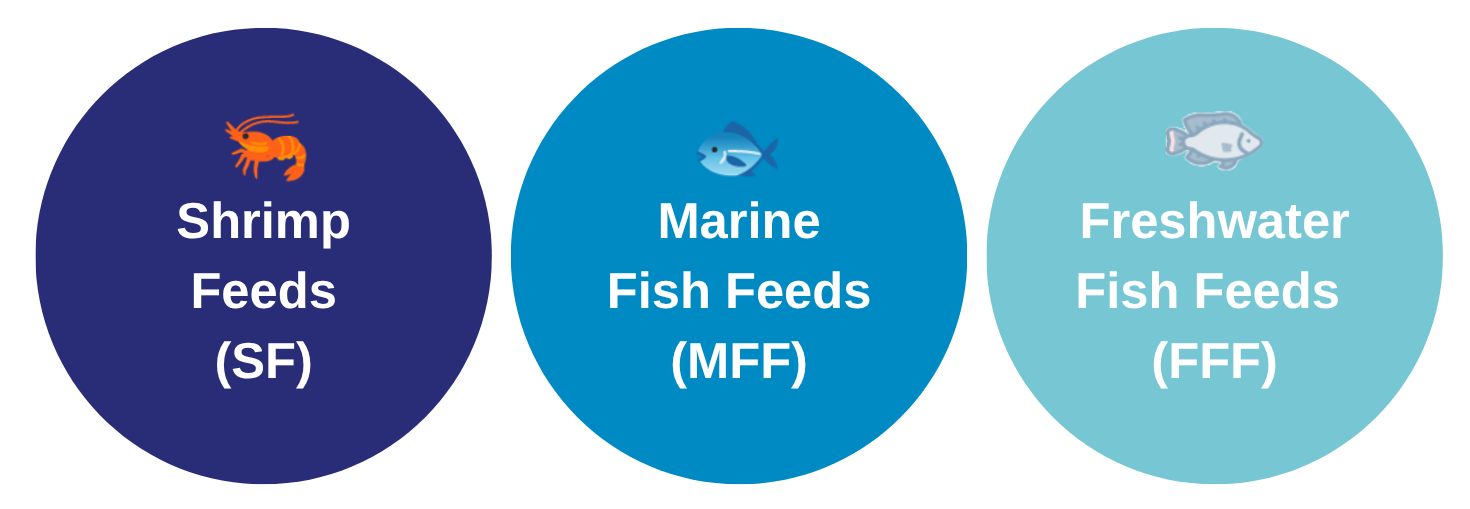
View the suggested discussion points for each breakout group here.
Moderators: Ronnie Tan, Regional Aquaculture Consultant - Southeast Asia, U.S. Grains & BioProducts Council, Malaysia; Zuridah Merican, Chair - TARS 2026, Editor, Aqua Culture Asia Pacific, Singapore
12:30 - 14:00
Lunch
14:00 - 14:45
Hard Talk with C-Suite Business Leaders
Regional Aquaculture Consultant – Southeast Asia, U.S. Grains & BioProducts Council, Malaysia
What can we change in aquafeeds and feeding? What current mindset do we need to change to achieve our goals? A deep dive into what constitutes ‘fit for future’ feeds.
Panel:
• Henrik Aarestrup, Vice President LATAM Shrimp & Hatchery BioMar Group, Denmark
• Preecha Ekatumasuit, CEO, TRF Feed Mill Co Ltd, Thailand
• Lukas Manomaitis, East Asia Aquaculture Lead, U.S. Soybean Export Council (USSEC), Thailand
• Hendi Yanto Efendy, President of Feed Business, PT Central Proteina Prima Tbk (CP Prima), Indonesia
Panel:
• Henrik Aarestrup, Vice President LATAM Shrimp & Hatchery BioMar Group, Denmark
• Preecha Ekatumasuit, CEO, TRF Feed Mill Co Ltd, Thailand
• Lukas Manomaitis, East Asia Aquaculture Lead, U.S. Soybean Export Council (USSEC), Thailand
• Hendi Yanto Efendy, President of Feed Business, PT Central Proteina Prima Tbk (CP Prima), Indonesia
14:45 - 15:00
Q&A with Participants
15:00 - 16:10
Marketing Alternative Ingredients: New Opportunities
There is the market push for alternative feed ingredients. The trend has veered towards seeking bioactivity as functional ingredients to match costs to performance. We bring innovators to deliberate on “How to create the pull and push for industry's adoption.”
15:00
From Substitute to Solution: Turning Alternative Ingredients into Functional Value
Global Technical Manager Feed, Protix, Netherlands
15:20
Single-Cell Proteins as a Future-Proof Protein Source for Aquafeeds
Industrial PhD Candidate, Unibio, Denmark
15:35 - 16:10
Q&A & Panel Discussion
Development Strategy Advisor, New Caledonia
Panel Discussion on “How to create the pull and push for industry's adoption.”
Industry Players: Robert Redman, Business Development Manager, Veramaris Asia Pacific, Australia; Yufan Zhang, Regional Technical Director BU Asia, Nutreco Asia, Thailand
Industry Players: Robert Redman, Business Development Manager, Veramaris Asia Pacific, Australia; Yufan Zhang, Regional Technical Director BU Asia, Nutreco Asia, Thailand
16:10 - 16:30
Tea Break
16:30 - 18:00
Interactive Roundtable Breakout Session - Part 2: The Output
Final Panel Discussion with 3 Group Leaders
The output from the roundtable breakout session will be aggregated and presented by three group leaders, followed by Q & A with participants.
Ei Lin Ooi, Group Leader, Freshwater Fish Feeds (FFF)
Romi Novriadi, Group Leader, Marine Fish Feeds (MFF)
Ning S Widjaja & Ho Gim Chong, Group Leaders, Shrimp Feeds (SF)
Moderators: Ronnie Tan, Regional Aquaculture Consultant – Southeast Asia, U.S. Grains & BioProducts Council, Malaysia; Zuridah Merican, Chair - TARS 2026, Editor, Aqua Culture Asia Pacific, Singapore
Ei Lin Ooi, Group Leader, Freshwater Fish Feeds (FFF)
Romi Novriadi, Group Leader, Marine Fish Feeds (MFF)
Ning S Widjaja & Ho Gim Chong, Group Leaders, Shrimp Feeds (SF)
Moderators: Ronnie Tan, Regional Aquaculture Consultant – Southeast Asia, U.S. Grains & BioProducts Council, Malaysia; Zuridah Merican, Chair - TARS 2026, Editor, Aqua Culture Asia Pacific, Singapore
18:00
Open Discussion: How can we achieve sustainable feeds?
Regional Aquaculture Consultant – Southeast Asia, U.S. Grains & BioProducts Council, Malaysia
18:20
Closing by Zuridah Merican, Chair - TARS 2026